
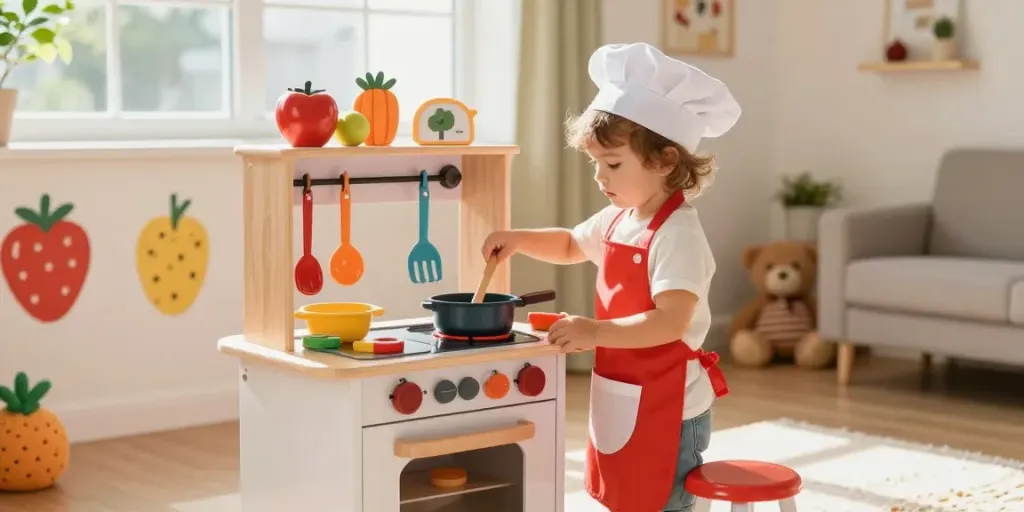
Understanding the Appeal of Play Kitchens
Play kitchens have become a staple in many households, offering children a unique platform to explore their imaginations and creativity. These miniature culinary spaces are not just toys; they serve as essential developmental tools that contribute to a child’s cognitive, social, and emotional growth. The allure of a play kitchen lies in their ability to mimic real-life cooking experiences while providing endless opportunities for role-play.
Why Play Kitchens Are Popular Among Kids?
The popularity of play kitchens can be attributed to several factors. First and foremost, children are naturally drawn to imitating the behaviours of adults. Cooking is a common activity in family life, and play kitchens allow kids to act out what they see, fostering their understanding of the world around them. The vibrant colours, fun sounds, and interactive elements - such as turning knobs or opening doors - keep young ones engaged and entertained for hours.
The Developmental Benefits of Play Kitchens
Engaging with a play kitchen offers numerous developmental benefits. Through imaginative play, children enhance their creativity and problem-solving skills. As they role-play cooking meals, they improve their motor skills by manipulating utensils and food items. Furthermore, these interactions encourage social development. When children play together, they learn about sharing, cooperation, and communication. This type of collaborative play is vital for developing interpersonal relationships and understanding social norms.
Myths About Play Kitchen Use and Engagement
Despite their benefits, misconceptions about play kitchens persist. A common myth is that these toys are only suitable for younger children. In reality, play kitchens can remain engaging for children up to eight years old and beyond, especially with the addition of new accessories and role-playing scenarios. Another misconception is that play kitchens are simply a distraction, but in truth, they can facilitate learning in a fun and engaging manner, teaching children basic math skills through measuring ingredients and understanding concepts of time through cooking sequences.
Choosing the Right Play Kitchen for Your Child
When selecting a play kitchen, it’s crucial to consider various factors that suit your child’s needs and preferences. With numerous options available, making an informed choice ensures that the play kitchen will be a cherished part of your child’s playtime.
Factors to Consider When Selecting a Play Kitchen
Several essential aspects should guide your decision:
- Age Appropriateness: Ensure the kitchen is suitable for your child's age, as some designs may have small parts that can pose a choking hazard to younger children.
- Size: The play kitchen should fit comfortably in your available space while allowing your child enough room to play.
- Features: Look for interactive elements like ovens, stoves, sinks, and storage space that can enhance the play experience.
- Durability: A sturdy kitchen made from quality materials will withstand the rigours of playtime.
Popular Materials and Designs in Play Kitchens
Play kitchens come in various materials, with wood and plastic being the most popular. Wooden kitchens are often favoured for their durability and aesthetic appeal, while plastic models tend to be lighter and more affordable. Additionally, there are themed kitchens—from modern designs to classic retro styles—catering to different tastes and preferences.
Sizing: What's Appropriate for Different Ages?
Choosing the right size is crucial for ensuring your child’s comfort and enjoyment. Most play kitchens are designed for toddlers and preschoolers aged 2-6 years. However, with the right adjustments, such as adding a stool or ensuring the kitchen height is adjustable, older children may also find them enjoyable and useful for imaginative play.
Essential Play Kitchen Accessories
To maximise fun and engagement, adding accessories to the play kitchen can significantly enhance the experience. Accessories allow children to engage in more complex play scenarios, deepening their imaginative exploration.
Top Accessories to Enhance Playtime
Consider including the following accessories:
- Cooking Utensils: Spoons, spatulas, and measuring cups make for an engaging cooking experience.
- Food Items: Whether plush or plastic, food items allow children to create meals and improve their role-playing scenarios.
- Play Pots and Pans: Essential for any young chef, these items encourage creativity and imaginative cooking.
Safe Materials for Play Kitchen Accessories
When choosing accessories, safety should always be a priority. Look for items made from non-toxic materials such as BPA-free plastic or sustainably sourced wood. Additionally, ensure that any soft food items are washable and safe for children.
DIY Ideas for Custom Accessories
For a personal touch, consider creating DIY accessories. Simple ideas include:
- Felt Food: Create colourful felt food items that mimic fruits, vegetables, and treats.
- Hand-Painted Utensils: Use wooden spoons or pots and let your child paint them for a bespoke effect.
Maintaining and Caring for Your Play Kitchen
To ensure longevity and safety, regular maintenance of your play kitchen is essential. This not only extends the life of the kitchen but also promotes a hygienic play environment for your child.
Cleaning Tips for Different Materials
Cleaning protocols vary by material:
- Wood: Wipe with a damp cloth and use a mild soap solution for stubborn stains. Avoid soaking to prevent warping.
- Plastic: Most plastic kitchens can be scrubbed with warm soapy water and cleaned with disinfectant wipes.
Repairs: Keeping the Kitchen Functional
Over time, a play kitchen may require minor repairs. For wooden kitchens, glue can fix loose parts, while plastic may require tape or replacement pieces if damaged. Regular inspection can help identify potential issues before they worsen.
Adapting the Kitchen for Growing Kids
As your child grows, their playing style may evolve. Consider adding new accessories or height-adjustable components to keep the kitchen relevant and engaging. Additionally, introduce new role-play scenarios to stimulate their imagination as they age.
Future Trends in Play Kitchen Design
The world of play kitchens is continually evolving, reflecting shifts in educational philosophy and consumer preferences. Here are some anticipated trends shaping the future of play kitchens.
Technological Innovations in Role-Play Toys
Future play kitchens are expected to incorporate technology, such as interactive cooking guides and apps that can enhance the educational aspect of play. This alignment with technology can foster critical thinking and improve kids' digital literacy skills through play.
Eco-Friendly Options in Play Kitchens
As sustainability becomes increasingly essential, many manufacturers are now focusing on eco-friendly materials like recycled plastics and sustainably sourced woods. This trend not only supports environmental consciousness but also teaches children the importance of caring for our planet.
How Play Kitchens Will Evolve by 2026
By 2026, we anticipate seeing more modular designs that offer customization options to fit family lifestyles. Additionally, kitchens that can connect with smart home technology may become popular, allowing kids to engage in cooking simulations that parallel real-life culinary experiences.
What Age Should a Child Get a Play Kitchen?
Generally, children can start enjoying play kitchens from about 2 years old. They may not fully grasp the concept of cooking at this age, but they will enjoy the sensory experience and imitative aspects of the play kitchen. As they reach preschool age (3-5 years), their understanding and imaginative play will significantly deepen.
How Much Does a Play Kitchen Cost?
The price of play kitchens can vary widely based on size, materials, and features. You can find basic models starting at around £50, while more elaborate kitchens can cost upwards of £300. It's important to consider your child’s needs and the durability of the kitchen when making a purchase.
Is It Worth Getting a Play Kitchen?
Absolutely. Investing in a play kitchen provides not only hours of entertainment but also invaluable opportunities for skill development. The social interactions, creativity, and cognitive skills honed through play can have long-lasting benefits for your child's growth.
Which Play Kitchen is the Best?
The best play kitchen really depends on your child's interests, available space, and budget. Look out for highly-rated brands like KidKraft or Step2, which have a proven track record of quality and engagement. By assessing the features and reading customer reviews, you can find the kitchen that will best meet your child's needs.